Logging, Tree Farms, and Rural Transition
The hills surrounding Ames Lake were generally less suitable for large-scale agriculture than the valley floor because of steep terrain and dense forests. Instead, forestry remained an important part of the local economy. Logging companies operated extensively in the area during the early twentieth century, leaving behind rail grades, skid roads, and cutover land.
As logging practices evolved, large portions of the surrounding forest became part of the Snoqualmie Tree Farm system, one of the nation’s earliest sustained-yield commercial forests. Reforestation programs and managed timberlands transformed previously logged areas into second-growth forests.
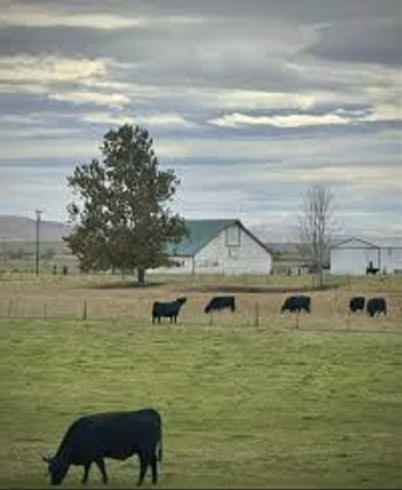
Meanwhile, farming in the valley itself continued evolving. Dairy farming remained strong through the 1950s, but later decades brought major changes. Many family dairies disappeared as farming economics shifted, and vegetable production gradually replaced much of the dairy industry beginning in the 1980s.
Ames Lake’s Rural Character
Unlike nearby suburban areas that rapidly urbanized after World War II, Ames Lake retained much of its rural atmosphere. The community developed slowly after being platted in the early 1940s. Electricity arrived in the 1950s, followed by telephone service and other infrastructure improvements.
Because the area remained relatively isolated, traces of the older farming and logging landscape survived longer around Ames Lake than in many parts of King County. Open spaces, forests, gravel roads, and small rural properties preserved a connection to the valley’s earlier agricultural heritage.
Even today, the Snoqualmie Valley Agricultural Production District protects large portions of nearby farmland from development, helping preserve the landscape that shaped communities like Ames Lake for generations. Historic barns, drainage ditches, pasturelands, and farmhouses remain reminders of the valley’s farming past.