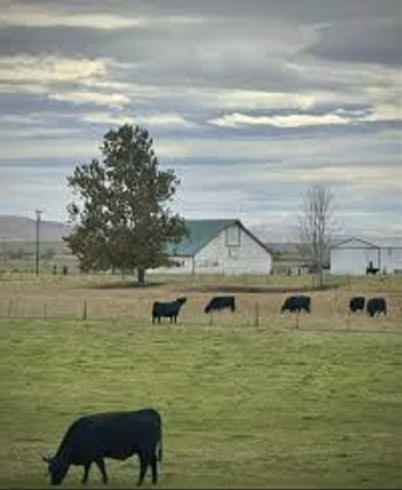
Nestled between Redmond and Carnation, the Ames Lake area has always existed on the edge of the rich agricultural lands of the Snoqualmie Valley. While Ames Lake itself became better known in the twentieth century as a rural residential and recreation community, its history is deeply tied to the farming traditions that shaped the entire valley for more than 150 years.

Long before modern roads and neighborhoods appeared, the Snoqualmie Valley was a landscape of forests, rivers, prairies, and fertile floodplains. Native Snoqualmie people used the valley seasonally for fishing, gathering berries, and harvesting roots. Later, Euro-American settlers recognized the valley’s extraordinary agricultural potential and began establishing farms in the mid-1800s.

Early Settlement and Farming

Permanent settlement in the Snoqualmie Valley began in the 1850s and 1860s. Early pioneers such as Jeremiah Borst and other homesteaders claimed land along the river and open prairie areas. These first farms were small and largely self-sufficient, producing vegetables, grain, livestock, and dairy products for local use.

Much of the lower valley, however, was still heavily forested. Logging often came first. Settlers worked in logging camps while gradually clearing land for agriculture. Trees were felled, burned, and removed over years of hard labor before the land could support crops or pasture. Farmers frequently supplemented their income by producing cedar shakes, shingles, and timber products.

The Ames Lake area followed this same pattern. The surrounding hills were heavily logged in the early twentieth century, especially during the 1920s. Old railroad grades and logging routes can still be traced through the woods around Ames Lake today.

The Rise of Dairy Farming

By the late 1800s and early 1900s, dairy farming became the dominant agricultural industry in the Snoqualmie Valley. The region’s mild climate, abundant rainfall, and fertile soils made it ideal for raising cattle and growing hay. Scientific advances in dairying and improved transportation helped turn the valley into one of western Washington’s important dairy-producing regions.

Family dairy farms appeared throughout Carnation, Duvall, Fall City, and the surrounding valley floor. Most farms included open pasture, hay barns, milk houses, and modest farmhouses. Milk was shipped to Seattle and nearby communities by riverboat and later by railroad.

Historic farms such as the Andrew and Bergette Hjertoos Farm became lasting symbols of the valley’s agricultural heritage. Norwegian, Swedish, and other immigrant families helped establish a strong dairy farming culture that lasted well into the twentieth century.

Although Ames Lake itself was not a major farming center, it was closely connected to this agricultural world. Residents traveled into Carnation and the surrounding valley for supplies, trade, schools, and employment. The roads and trails linking Ames Lake to the valley were originally developed during the logging and farming era.

Logging, Tree Farms, and Rural Transition

The hills surrounding Ames Lake were generally less suitable for large-scale agriculture than the valley floor because of steep terrain and dense forests. Instead, forestry remained an important part of the local economy. Logging companies operated extensively in the area during the early twentieth century, leaving behind rail grades, skid roads, and cutover land.

As logging practices evolved, large portions of the surrounding forest became part of the Snoqualmie Tree Farm system, one of the nation’s earliest sustained-yield commercial forests. Reforestation programs and managed timberlands transformed previously logged areas into second-growth forests.

Meanwhile, farming in the valley itself continued evolving. Dairy farming remained strong through the 1950s, but later decades brought major changes. Many family dairies disappeared as farming economics shifted, and vegetable production gradually replaced much of the dairy industry beginning in the 1980s.

Ames Lake’s Rural Character

Unlike nearby suburban areas that rapidly urbanized after World War II, Ames Lake retained much of its rural atmosphere. The community developed slowly after being platted in the early 1940s. Electricity arrived in the 1950s, followed by telephone service and other infrastructure improvements.

Because the area remained relatively isolated, traces of the older farming and logging landscape survived longer around Ames Lake than in many parts of King County. Open spaces, forests, gravel roads, and small rural properties preserved a connection to the valley’s earlier agricultural heritage.

Even today, the Snoqualmie Valley Agricultural Production District protects large portions of nearby farmland from development, helping preserve the landscape that shaped communities like Ames Lake for generations. Historic barns, drainage ditches, pasturelands, and farmhouses remain reminders of the valley’s farming past.

A Lasting Legacy

The history of farming in the Snoqualmie Valley is ultimately a story of persistence, adaptation, and community. Early settlers transformed forest and floodplain into productive farmland through extraordinary labor. Dairy farmers built a thriving agricultural economy that fed the growing Seattle region for decades. Logging and forestry industries shaped the hills surrounding Ames Lake, while nearby farms shaped daily life in the valley below.

Although Ames Lake developed differently from the farming communities on the valley floor, its history cannot be separated from the broader story of the Snoqualmie Valley. The roads, families, industries, and landscapes of Ames Lake were all influenced by the agricultural traditions that defined this region for more than a century.

Today, Ames Lake remains one of the few places where echoes of that rural past can still be felt in the forests, open land, and quiet roads connecting the community to the historic Snoqualmie Valley beyond.