A look at our community's past

Category: Ames Lake (Page 1 of 6)

John Ames and the Ames Family

The Ames family has an early connection to the Snoqualmie Valley, particularly around Ames Lake (named after them).

In the early 1900s, John Ames settled in the area, a few decades after the first homesteaders arrived in the community that would become Tolt (now Carnation).

When Ames Lake was an undeveloped pond

When John Ames lived in the Valley, Ames Lake was still an undeveloped natural pond. The surrounding hills and riverbanks were sparsely settled. Travel depended almost entirely on trails, wagon roads, and the river itself.

Ames saw a chance to build a small local business. The rural-yet-accessible location near the Snoqualmie and Tolt Rivers gave him both homestead potential and a business opportunity.

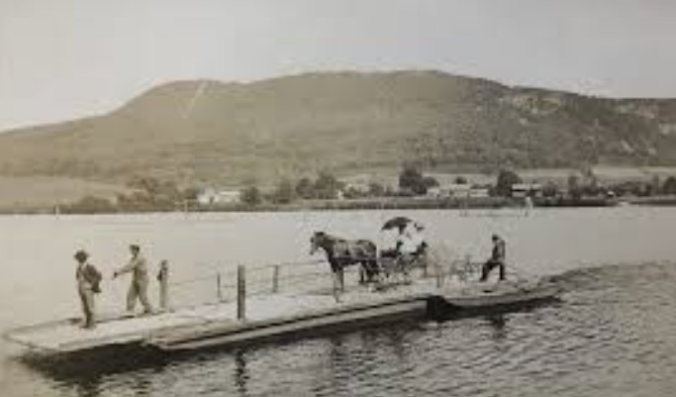
Ames’ cable ferry across the Snoqualmie River 

Recognizing the need for a river crossing before modern roads, Ames established a cable ferry across the Snoqualmie River and provided lodging for travelers and visitors at his resort hotel, the “Blue Front,” where he hosted paying guests.

A community around the lake

John Ames created early attention to a part of the Snoqualmie Valley that might otherwise have remained undeveloped for many years. He helped set the stage for what would become a community around the lake.

First Light Farm: Cultivating Community in the Snoqualmie Valley

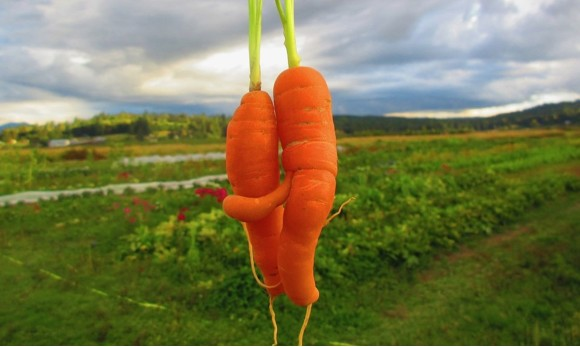
Jane and Don Reis founded First Light Farm & Learning Center in 2012. The organic 3+ acre vegetable and flower farm in Carnation is surrounded by the peaceful Snoqualmie Valley.

The farm’s mission is to educate the public about healthy soil and food growing practices, and to support community farming and u-pick vegetables for families and communities.
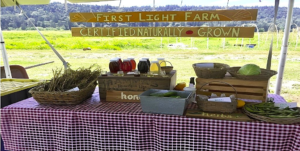
First Light Farm or “The quiet farm” as it is often called, began with the idea that caring for the land can also nurture families, friendships, and well-being. Every seed planted carries a message of balance and renewal — about finding common ground between people and the planet. As Jane says, “we’re not a separate species; nature and life are all interconnected. Agriculture is at the center of everything; soil is very alive.

A Philosophy of Connection

Long before Carnation became a farming town, the valley’s wide meadows and waterways supported the Snoqualmie Tribe, whose knowledge of seasonal planting and natural stewardship shaped the region. Later, early settlers established homesteads and dairy farms that relied on the same fertile floodplains. Today, First Light Farm carries the valley’s tradition of working in harmony with the land.

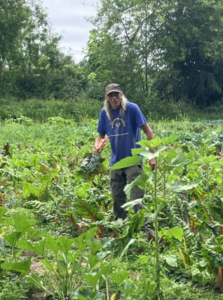
Jeremy Houston works as the field manager at First Light Farm. In addition to being a master gardener, Jeremy is also an experienced farmer. He came to work at First Light Farm 7 years ago at the time they moved to their current location.

Ames Lake: In the Heart of the Valley
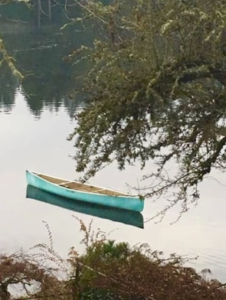
Just west of Carnation lies Ames Lake, a quiet forested community that sits at the edge of this historic agricultural corridor. Early Ames Lake residents often worked in nearby dairies or logging operations, and many of today’s residents still enjoy the rural character shaped by those early farms.

Though Ames Lake has grown into a residential area, its setting — surrounded by protected farmland, forests, and the Snoqualmie River Valley — keeps it connected to the same landscape that sustained those first farmers.

From the “Contented Cows” of Carnation Farms to the fresh harvests at First Light Farm, the story of the Snoqualmie Valley — and of Ames Lake within it — is one of continuity through change. The land remains generous, the people resourceful, and the valley is still very much alive with growth.

Learning Happens Everywhere

Visitors to First Light Farm discover that learning happens everywhere, such as harvesting a handful of herbs, joining a class on pickling or gardening, or exploring a children’s garden. The farm’s “learning center” blends hands-on experience with environmental education, showing how soil health, food quality, and community health are all interconnected.
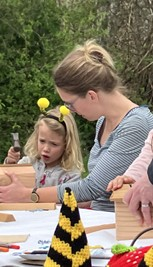
During the growing season, visitors are welcome to walk in the fields, join workshops, enjoy the beauty of the Snoqualmie River, or simply enjoy the peace of the countryside.
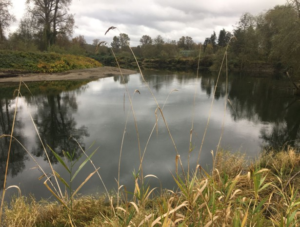
 

Growing Together

First Light Farm carries the valley’s deep tradition of working in harmony with the land. Visitors can stroll through rows of vegetables and flowers to pick their own produce during the growing season or join the farm’s volunteer and educational programs.
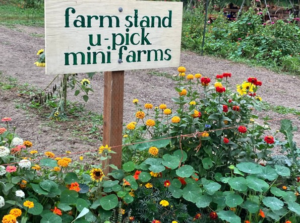
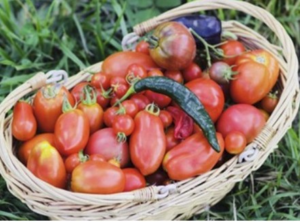


Vegetable starts: Every spring, First Light Farm sells organic vegetable starts.

Trade labor for veggies: If you put in a minimum of four hours per week at First Light Farm by mowing, weeding, sowing, etc., you get to take home a box of u-pick vegetables worth $40.

Mini Farm program: Like a P-Patch in Seattle, First Light Farm offers multiple plots of community gardens for people who are interested in growing their own food.

Low-income families: In 2026, First Light Farm plans to create a special program for low income families to harvest their own vegetables.

Community involvement: First Light Farm & Learning Center offers on-site classes, events, and a CSA (Community Supported Agriculture) program.

First Light Farm: Continuing the Valley’s Legacy

In many ways, First Light Farm shows how local agriculture has evolved — from the family dairies of the 1900s, to today’s community-based and environmentally mindful farms. When earlier generations milked cows or raised hay, First Light Farm cultivates vegetables, flowers, herbs, and learning itself.

There are many small farms in the Valley, and the Sno-Valley Tilth is an organization that provides support to local farmers.

For those interested in learning more about agriculture in the Snoqualmie Valley, Sno-Valley Tilth offers tours of local valley farms.

The Valley Endures

From the early ferries that linked farm communities, to the fields that still produce food today, the Snoqualmie Valley remains a place where people and land are intertwined.
 

First Light Farm and Learning Center

Voted King County’s Rural Small Business of the Year in 2016

1202 West Snoqualmie River Rd NE

Carnation, Washington 98014

Email: firstlightfarm84@gmail.com

Website: https://www.upickseattle.com/

 

History of Snoqualmie Valley Roads


As the lower Snoqualmie Valley floor was cleared of forest, farms were developed through the 1860s to the 1880s, providing a variety of crops to local markets. For several decades, these crops were transported to market via flat-bottomed river steamboats.

Up until the early 20th century, area residents crossed the Snoqualmie River in personal small crafts, or at strategic ferry landings. In the village of Tolt, a cable-operated ferry was situated on the river at the Ames Landing site, now MacDonald Park and West 40th Street.

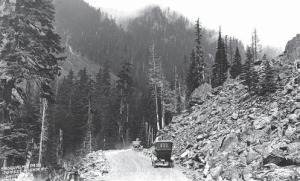
Roads were built for wagons and cattle, as well as coal and lumber activities. These early roads were crude and seasonally impassible due to heavy snow, rain, and mud.

West Snoqualmie Valley Road

In the late 1880s, population growth in the Snoqualmie Valley spurred the construction of the first north-south wagon road. It traveled down the east side of the valley, running north toward Snohomish City.

Snoqualmie Valley Road was largely in place by 1890. New dwellings and barns were constructed along the road at the valley’s edge, rather than on the valley floor. The settlements of Fall City, Tolt (Carnation), Novelty, and Cherry Valley (Duvall) benefited from this road, now SR 203.

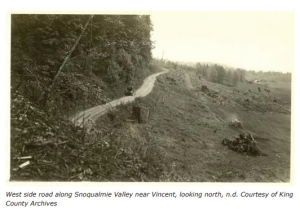
By 1912, the road continued along the hillside south of Novelty to the little settlement of Vincent and beyond.

Along this road, westside farm children could walk to the Vincent Schoolhouse (now a King County Landmark), overlooking the Snoqualmie Valley at NE 80th Street. The one-room school served grades one through eight until 1942.

In 1932, West Snoqualmie Valley Road proceeded along the length of the valley. Carnation Farm Road was also improved by that date and has the same configuration as it does today.

Sources: King County records, King County Historic and Scenic Corridors Project

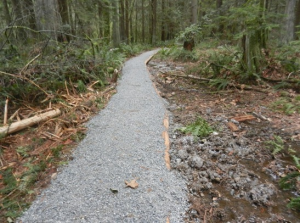
The History of Hiking at Ames Lake Forest

Hiking at Ames Lake Forest began with Native American trails and was significantly shaped by the logging industry in the late 19th and early 20th centuries, which cleared the land and left behind remnants of old logging routes that became informal trails.

In the mid-20th century, following logging and replanting, the Evergreen Mountain Bike Club established new trails, which King County Parks later improved, creating the current hiking, biking, and equestrian trails used today.

Indigenous Trails and Early European Impact

Native American Trails:

Before European settlement, Indigenous peoples, such as the Tuobeda’bš, used trails in the area for hunting, trade, and ceremonies.

Logging:

From the late 1800s to the early 1900s, logging operations heavily influenced the landscape. Logs were moved via flumes and skid roads, the remnants of which could be seen in the area, creating a de facto network of trails.

20th-Century Development and Trail Creation

Replanting:

Following extensive logging, the area was replanted, primarily with Douglas Fir trees.

The Evergreen Mountain Bike Club:

In more recent decades, mountain bikers from the Evergreen Mountain Bike Club created and improved trails in the area, laying the groundwork for current recreational use.

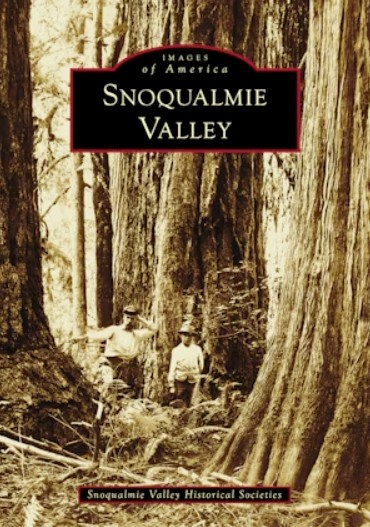
Snoqualmie Valley – Images of America

This collection of photographs and archive materials introduces the rich history of the communities in the Snoqualmie Valley, where Ames Lake is located.

The book was created as a collaboration between the Snoqualmie Indian Tribe, Snoqualmie Valley Museum, Fall City Historical Society at Carnation, and Duvall Historical Society. It was published in July 2025 and will be sold at the local historical societies. Or you can buy it online.

The proceeds from the sale of the book support the organizations that collect, preserve, and share our communities’ histories.


« Older posts